Afhentning i butik
Hurtig levering 1-3 hverdage
Fast lav fragt 49 DKK
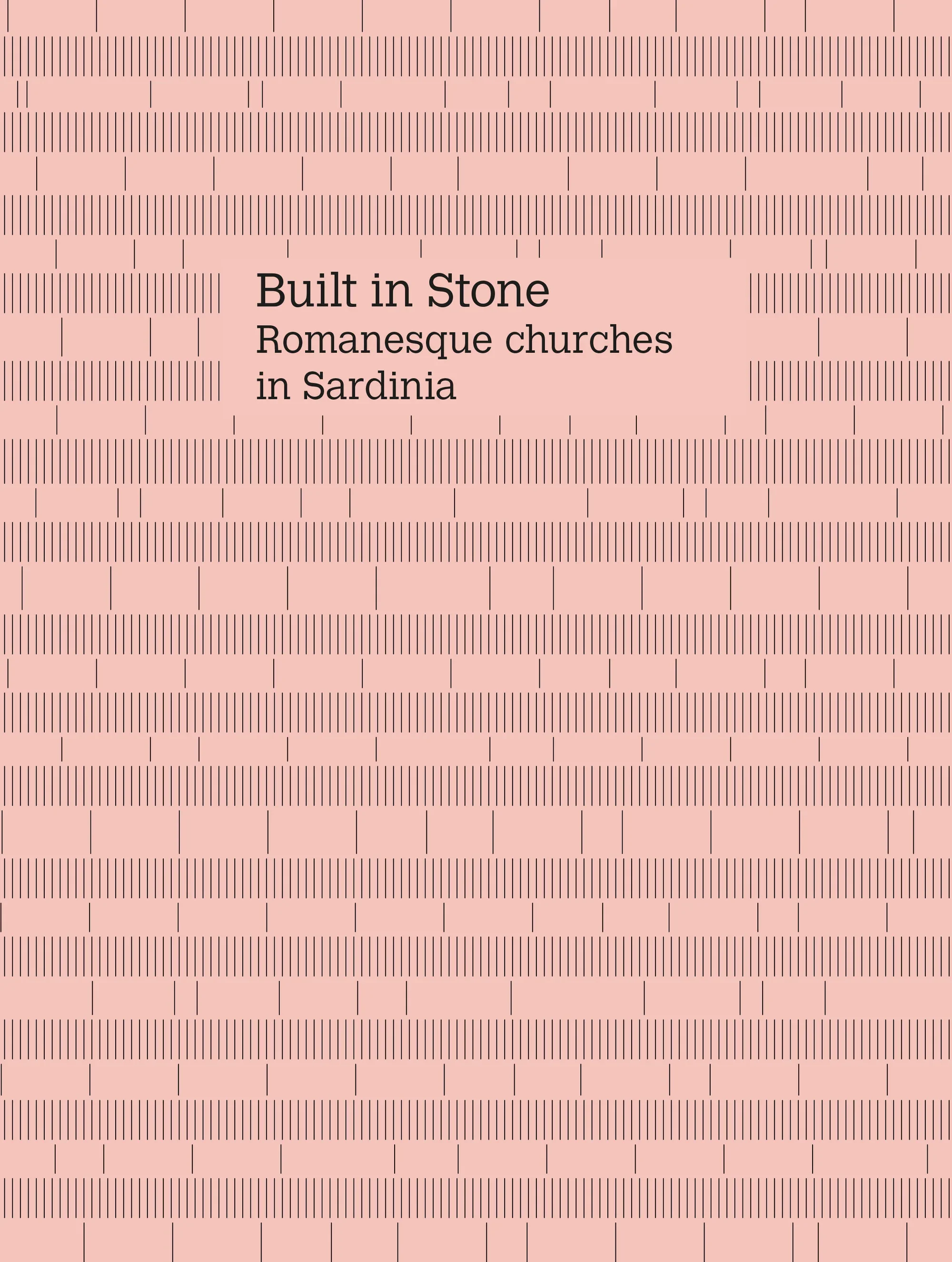
In the winter semester of 23/24, the Chair of Urban Design and Housing investigated stone construction as a sustainable method for future living and working spaces in Regensburg, one of Germany’s oldest cities. As part of their research, the studio conducted a study excursion to Sardinia in October 2023 to examine Romanesque churches:
The character of the Romanesque churches of Sardinia is specific to the place and the circumstances of their origin and continued survival. Now encountered as solitary objects in the landscape, although some were formerly part of larger monastic settlements, these outwardly simple structures convey both fragility and endurance. Built from local stone, the facades are detailed and carved in bas relief, which was often the work of foreign craftsmen – travelling masons from North Africa, France and mainland Italy. The facades represent columns and beams, carved images that play no structural role, their detailing and relief a purposeful projection of their significance and standing in the community and place within the surrounding landscape. The plain, unadorned interiors are defined by the stone they are made from, the cool shadows of their interior the result of the mass and inertia of the material itself, their form modified to adjust to the ground on which they stand and respond to the surrounding landscape.
Relaterede produkter